Ensure your Dental Implants fit comfortably and function flawlessly. Our specialized procedures create the stable, smooth foundation necessary for long-lasting prosthetic results.
Pre-Prosthetic Surgery is a vital step for many patients transitioning to dentures, bridges, or partials. Because a dental prosthesis sits directly on the bone ridge, the shape and size of that bone are critical for a secure and painless fit. Often, after a tooth is lost or extracted, the underlying bone can heal with sharp edges, uneven ridges, or excess tissue that makes wearing a prosthetic uncomfortable or even impossible.
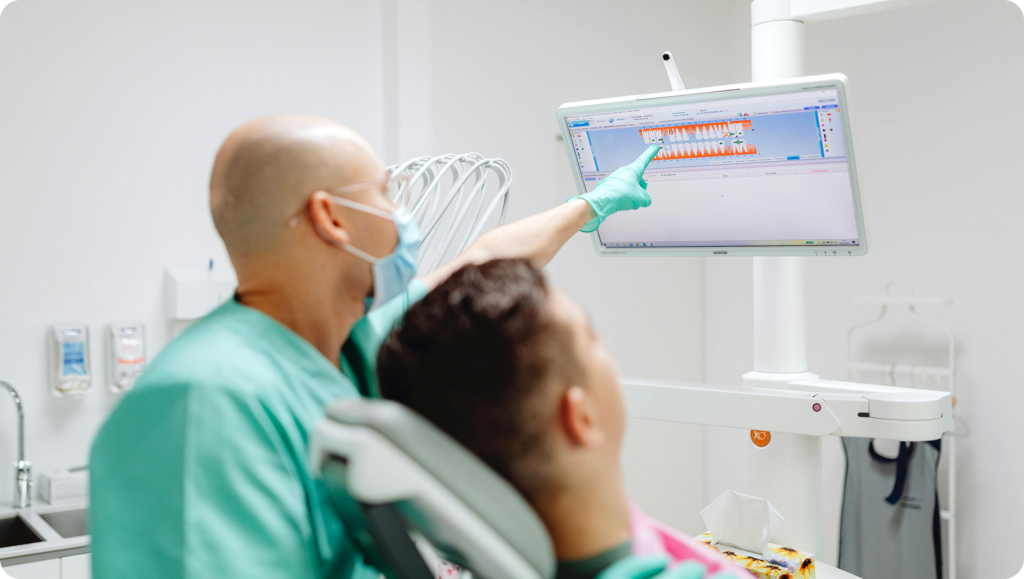
At Oral & Maxillofacial Surgery of Central New Jersey, we specialize in preparing patients for prosthetic procedures, to help ensure maximum comfort and successful outcomes. Common procedures include:
Bone Smoothing and Reshaping (Alveoloplasty)
Smoothing out sharp or jagged edges left after extractions.
Removal of Excess Bone (Tori).
Reducing benign bony growths that interfere with the seating of a denture.
Bone Ridge Reduction
Reshaping prominent ridges to allow for a more natural prosthetic alignment.
Excess Gum Tissue Excision
Removing redundant soft tissue that can cause a prosthesis to shift or feel unstable.
By addressing these structural concerns beforehand, we help prevent chronic irritation and ensure your restorative treatment is a success. Our surgeons work closely with your general dentist or prosthodontist to tailor a surgical plan that meets the specific requirements of your upcoming restoration.

What to expect
Before surgery
Your oral and maxillofacial surgeon will review your dental and medical history and evaluate your imaging to determine which pre-prosthetic procedures are needed to properly prepare your mouth for a denture or other prosthetic. You will receive pre-operative instructions covering dietary restrictions, medications to pause, and what to arrange for the day of your procedure. If you have any anxiety about surgery, ask us about our sedation options at either of our Central New Jersey offices.
During surgery
Your surgeon will administer Local Anesthesia before performing the steps necessary to reshape and prepare your jawbone and surrounding tissue. Depending on your individual needs, this may include smoothing or recontouring uneven bone, removing excess bone along the ridge, reducing excess gum tissue, or a combination of these steps. The goal is to create a stable, well-shaped foundation so your prosthetic can fit comfortably and securely. Most pre-prosthetic procedures are completed in a single visit.
After surgery
Some swelling, mild discomfort, and light bleeding in the first day or two are normal and expected. Your surgeon will provide detailed post-operative instructions covering pain management, diet, and activity restrictions. Most patients are able to return to normal daily activity within a few days. A follow-up visit allows your surgeon to confirm that healing is progressing well and that your mouth is ready for the next step toward your final prosthetic.
Oral & Maxillofacial Surgery of Central New Jersey is here to address all your questions and concerns regarding Pre-Prosthetic Surgery.
If your jawbone is uneven or has sharp prominences, a denture will create painful “pressure spots.” Surgery ensures the base is smooth so your denture stays secure and comfortable all day.
While initial healing takes about a week, we recommend waiting until the tissue is fully stable—usually a few weeks—before your dentist takes final impressions for your prosthetic.
Many insurance plans cover Pre-Prosthetic Surgery when it is deemed medically necessary for restorative function. Our office can help you verify your specific benefits.
With our advanced Anesthesia options, you should feel no pain during the surgery. Post-operative discomfort is typically mild and subsides within a few days.
Your dentist may provide a temporary “flipper” or partial, though we often recommend leaving the surgical site undisturbed for the first few days to speed up healing.
Our team is here to answer your questions, walk you through your options, and help you feel confident about your care. Scheduling is simple, and we’ll guide you every step of the way.